Project 01 Bosch 2021 – 2022

Mobile Access — an end-to-end solution for modern access control.

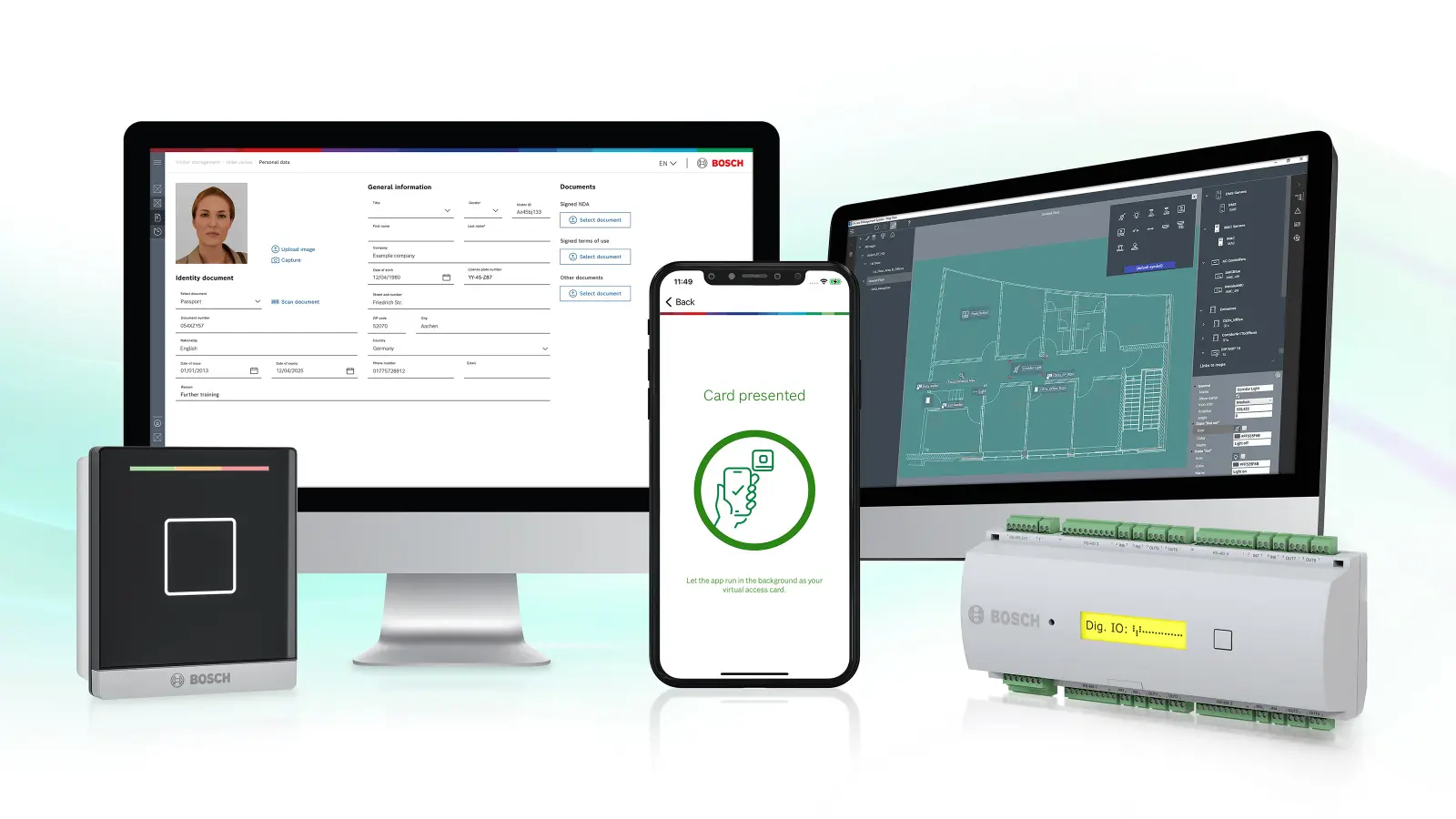
Four applications, one consistent experience: Visitor & Employee Management as a web platform, Installer and End-User apps as mobile endpoints — developed in an innovation project at Bosch Building Technologies and rolled out with Bosch Access Systems.
Role UX Designer
Timeframe 04/2021 – 09/2022
Team PM · SW · UX · Partners
Tools Adobe XD · Photoshop
Bosch Mobile Access — system overview
01 — Context

Four touchpoints. Three user groups. One coherent service.

Bosch Mobile Access connects physical security hardware with digital access control. For the system to work for everyone involved, four applications have to interact seamlessly — from initial configuration by installers, through daily administration by security admins, to access by end users.

My mandate: as UX/UI Designer, to own the design of the entire solution — from initial user research to pixel-precise specification, with close coordination between product management, software engineering and external partners.

02 — Challenge

Complex workflows. High security requirements. Zero tolerance for errors.

  • User groups Security admins, installers and end users — each with their own mental model and expectations of the software.
  • Consistency Four apps of differing complexity that nonetheless had to feel recognizably part of the same Bosch platform.
  • Stakeholders Product management, software engineering, external partners — each with different priorities and technical constraints.
  • Output Pixel-precise specifications that the international engineering team could implement directly.
Bosch Mobile Access — video Watch the video on YouTube
03 — Web Platform

Visitor & Employee Management — the administrative core.

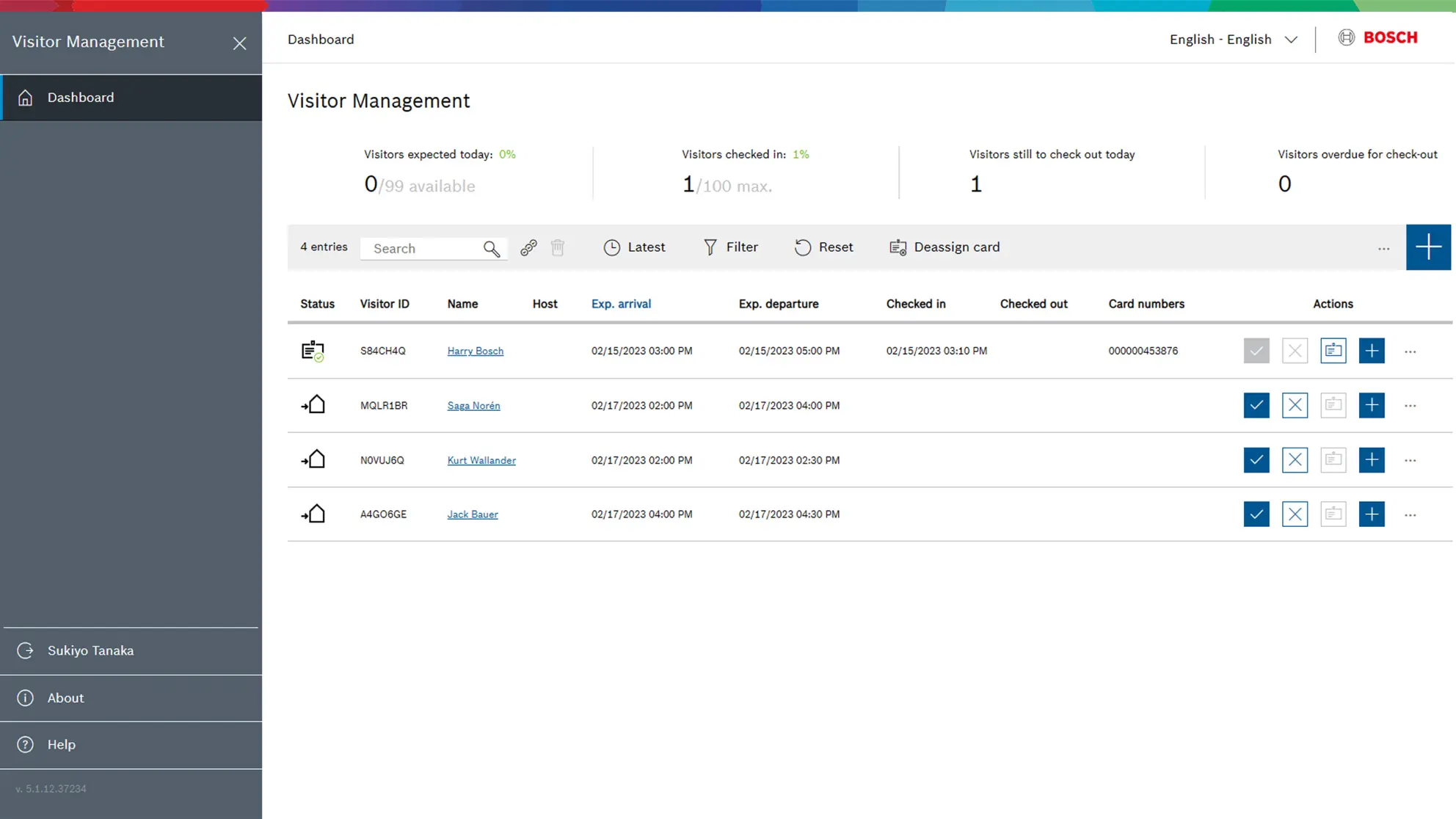
Two web applications form the backbone of the Mobile Access solution. Visitor Management organizes visitor access from invitation to approval. Employee Management handles employee profiles, permissions and roles.

Both apps share one design system: the same components, the same interaction patterns, predictable behavior. This significantly reduces the learning curve for admins — and ensures a consistent Bosch identity.

  • Visitor Invitation workflow, access approval, visitor groups, reporting for compliance.
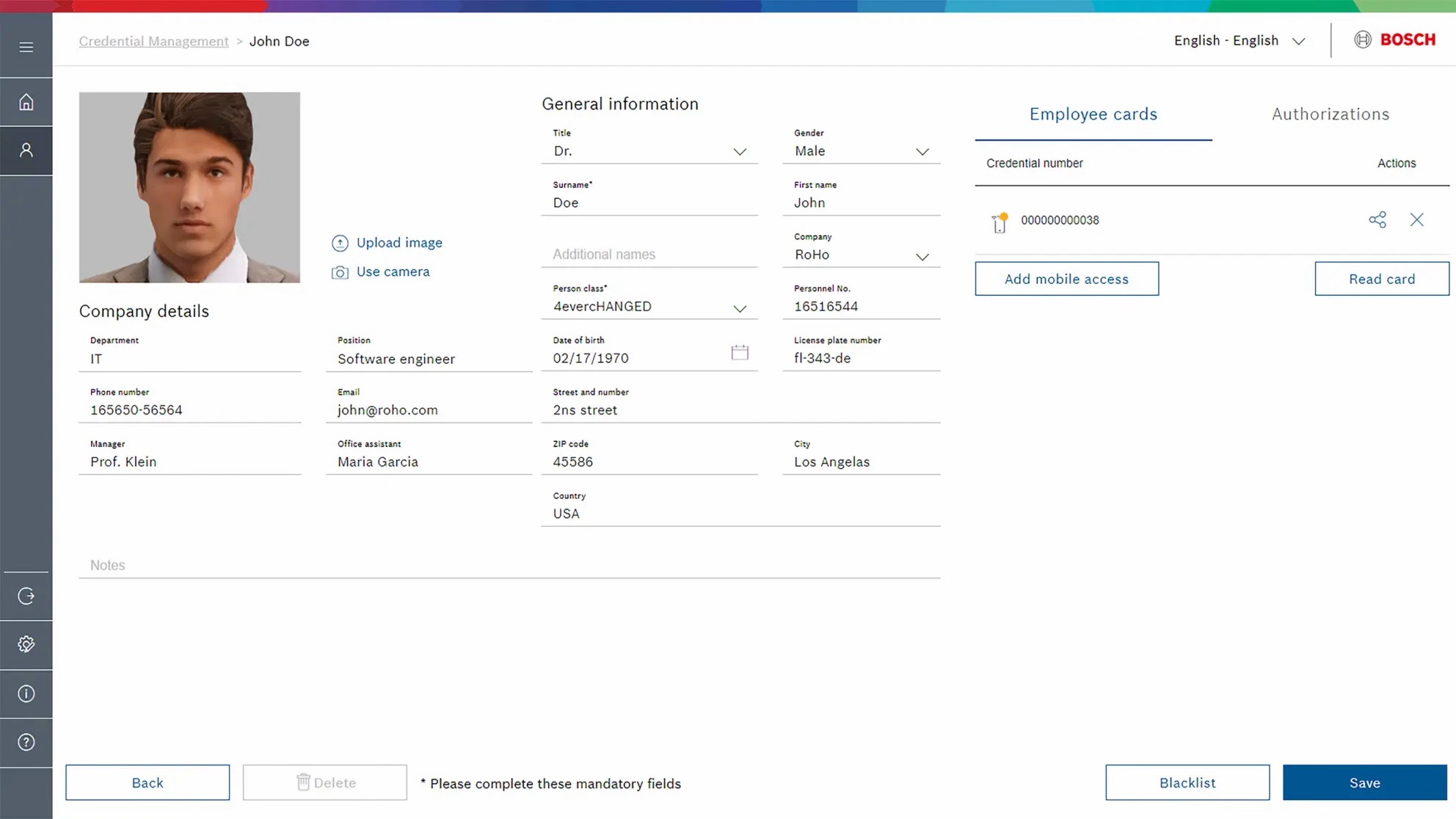
  • Employee Employee administration, role assignment, permission matrix, lifecycle management.
  • Shared Design system, component library, unified information architecture.
Visitor Management Dashboard
Visitor Management — detail view
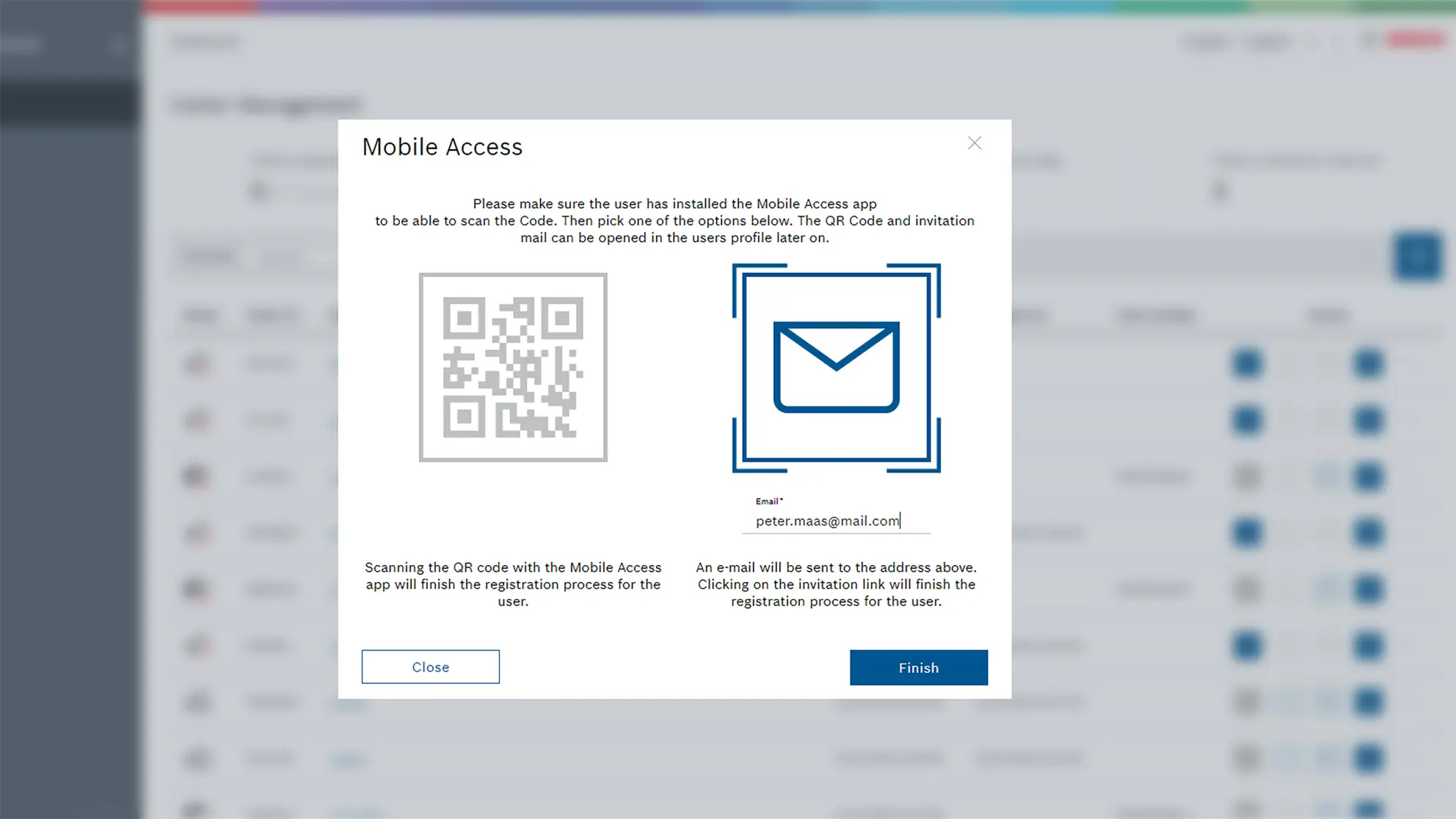
Mobile Access — credential
04 — Mobile Apps

Installer & End-User apps — two radically different user perspectives.

The mobile endpoints had to serve two very different audiences without losing the shared brand promise.

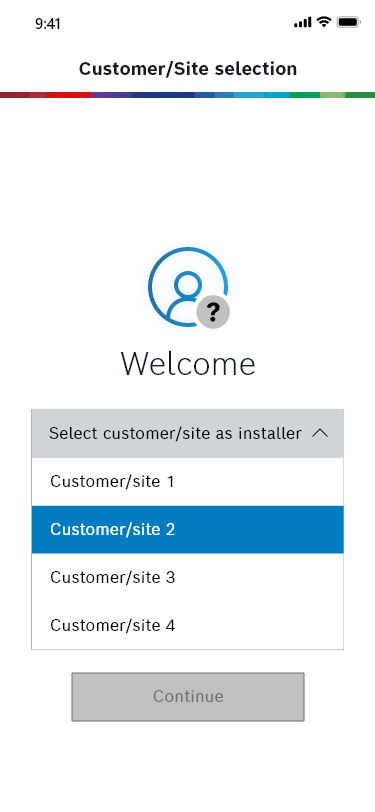
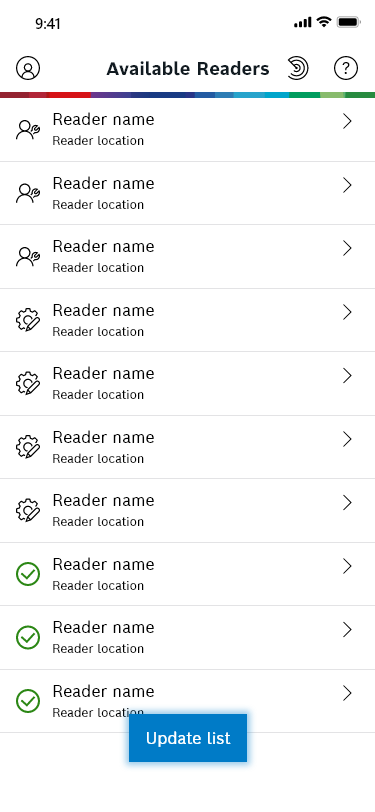
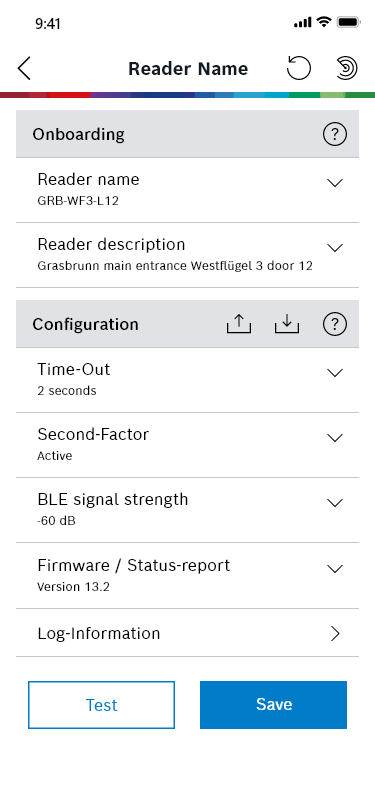
  • Installer Professional app for on-site commissioning & configuration. Dense information display, robust workflows, clear error states — built for professionals under time pressure.
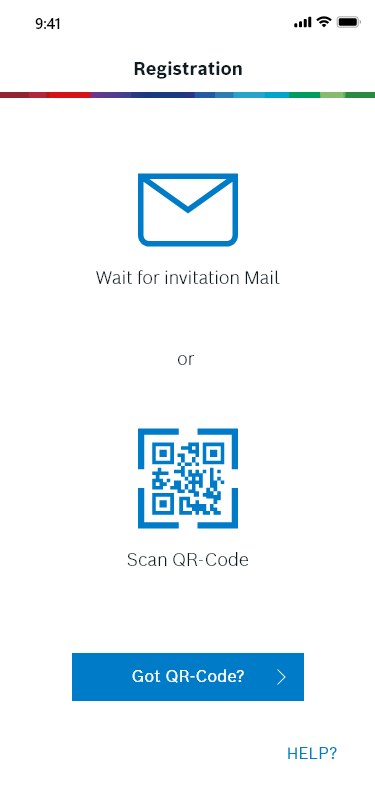
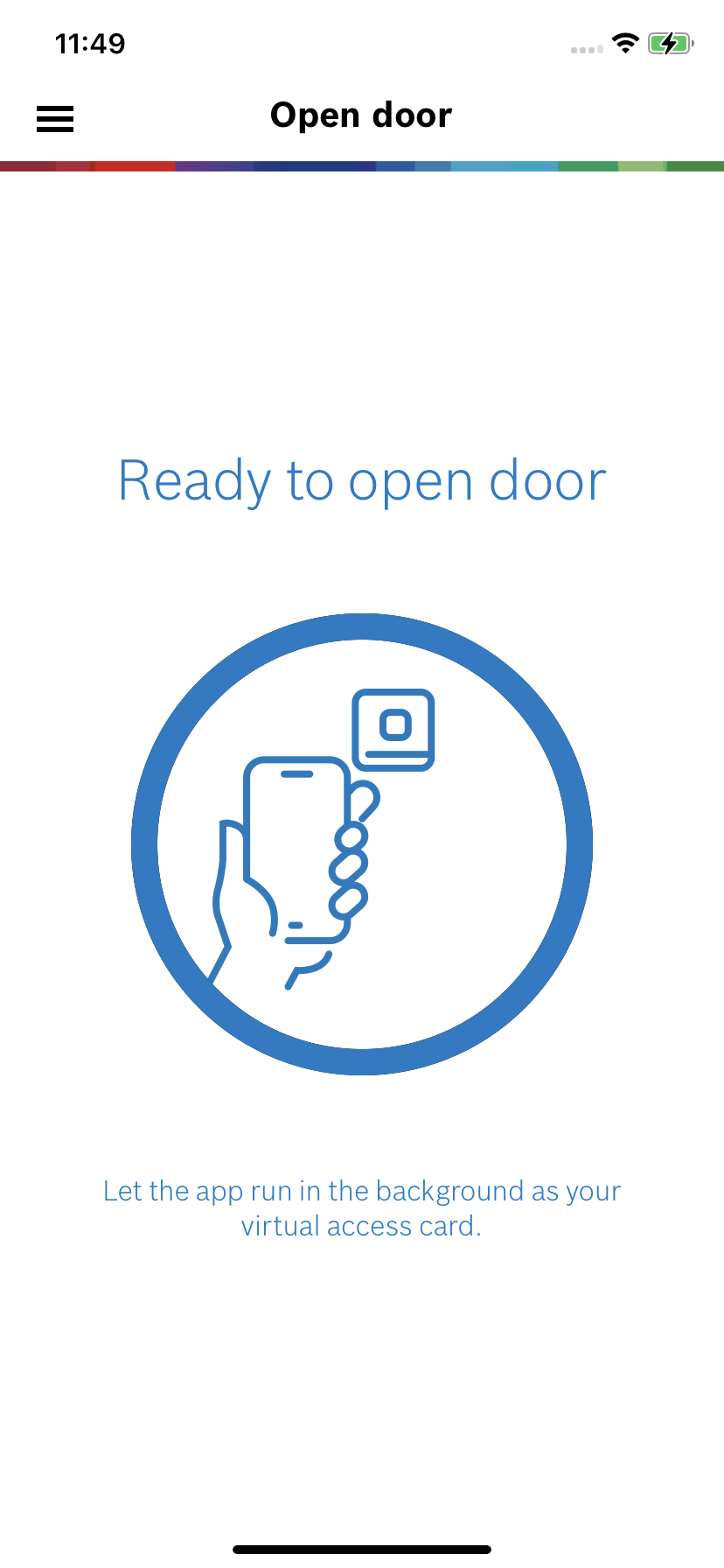
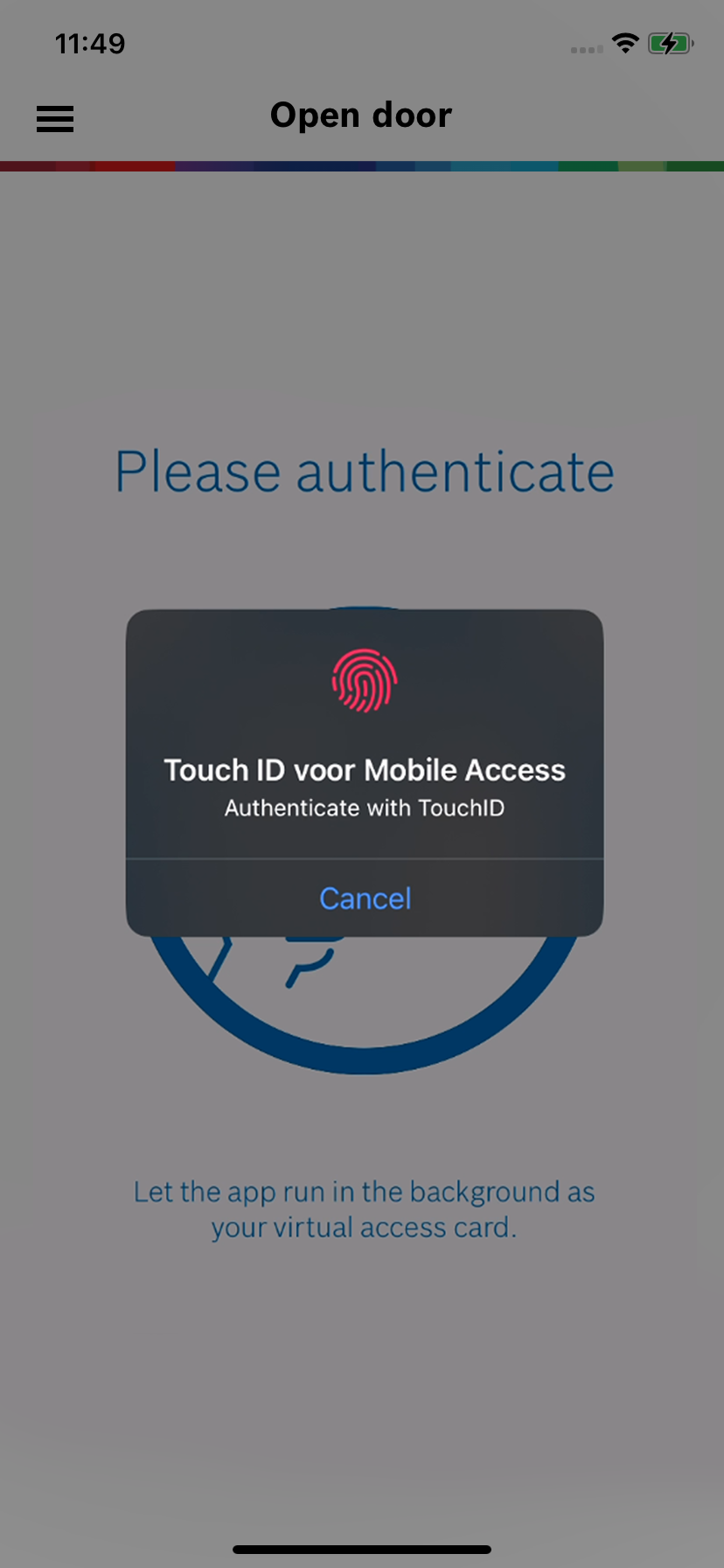
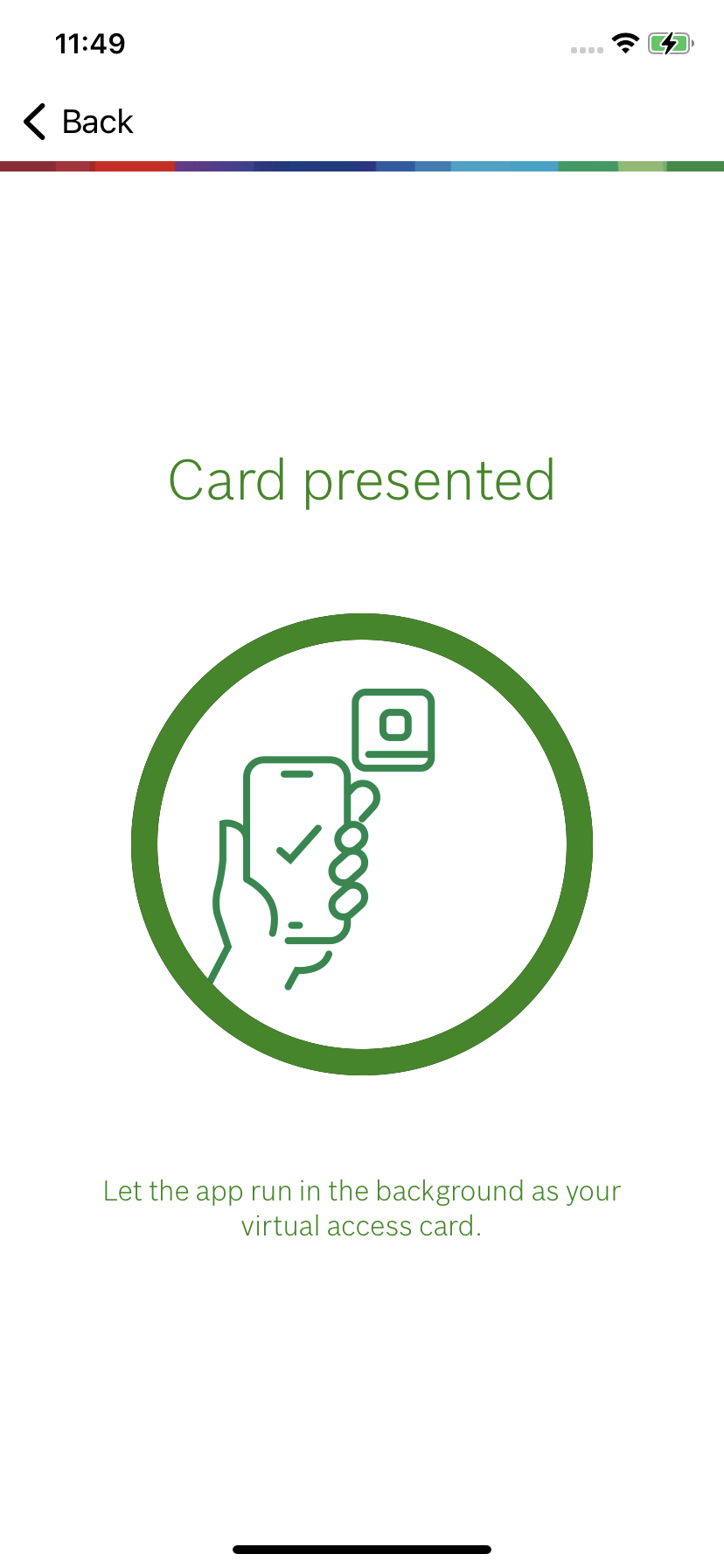
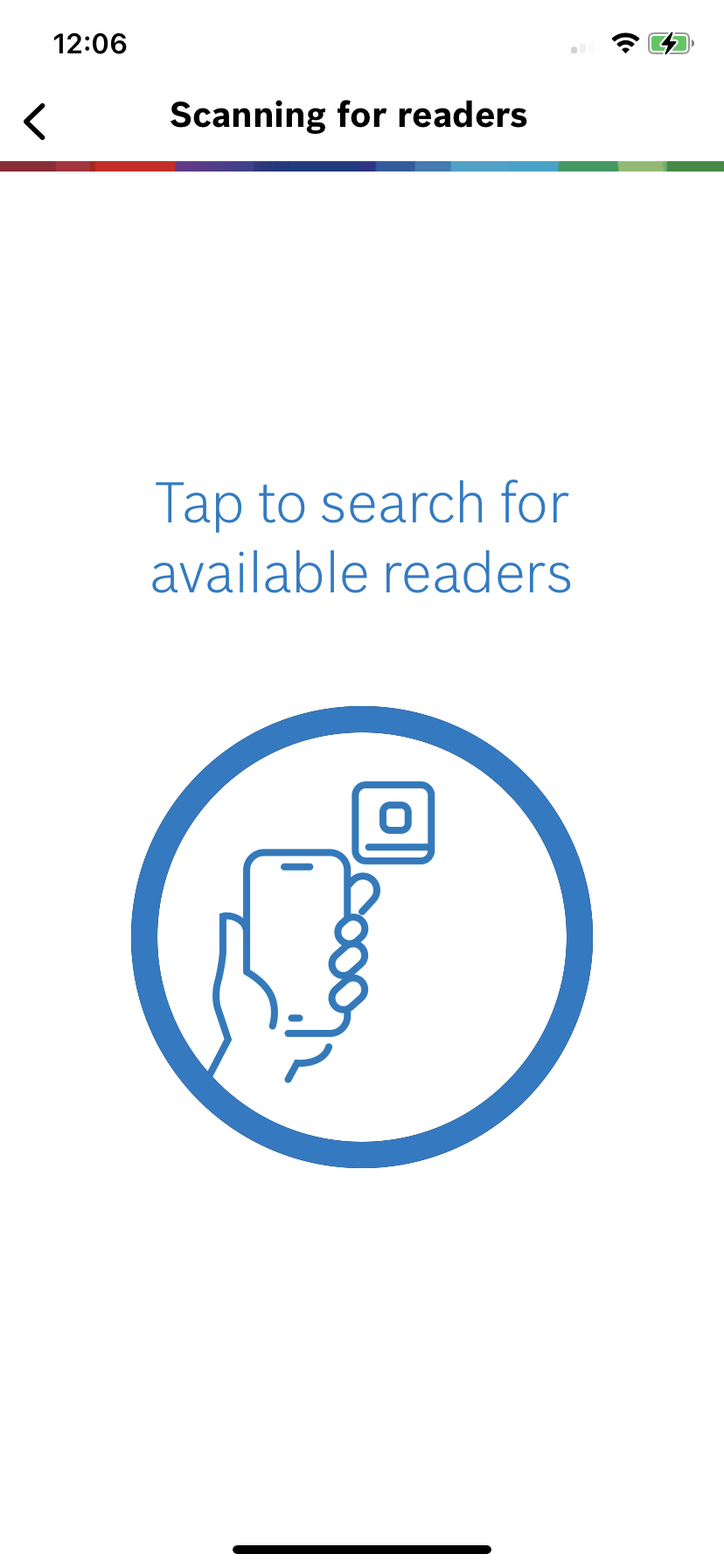
  • End-User Consumer-grade app for employees. The smartphone becomes the key — Bluetooth, two-factor authentication, one tap. Secure, self-explanatory, fast.
  • Specs Complete UI and interaction specs for iOS and Android — pixels, prototypes, edge cases.

End-User App

End-User App — screen 1
End-User App — screen 2
End-User App — screen 3
End-User App — screen 4

Installer App

Installer App — screen 1
Installer App — screen 2
Installer App — screen 3
Installer App — screen 4
05 — Service Design

The invisible architecture behind the UI.

Before the first pixel is drawn, it has to be clear how a service works. Service blueprints and user journeys were my most important tool to make the complexity of the Mobile Access platform visible and shareable across all teams.

  • Research User interviews with all three user groups, structured discussion guides, qualitative analysis.
  • Blueprints Service blueprints for all touchpoints — front-stage, back-stage, support processes, hardware-software interfaces.
  • Journeys User journey maps for installers, security admins and end users.
  • Workshops Design-thinking workshops internally and with external clients for validation and ideation.
06 — Process

From paper prototypes to pixel-precise specs.

The design process followed a classic design-thinking approach — adapted to the reality of tight sprints and strict security requirements. Every step was documented, validated and iterated.

  • Discover User interviews, analysis of how the system components interact, requirements gathering with stakeholders.
  • Define User journeys, service blueprints, user-centered requirements.
  • Design Wireframes via paper prototyping → click dummies in Adobe XD → pixel-perfect visual design.
  • Test Preparation, moderation and analysis of usability tests with real users.
  • Deliver Complete UI and software specifications for engineering and external partners.
07 — Outcome

From MVP to pilot customer — a platform that went into production.

The Mobile Access solution travelled the path from the first wireframe to a productive pilot operation — accompanied by pilot customers whose feedback fed directly into the roadmap. The value proposition was continuously sharpened along the way.

4 Apps
Visitor & Employee Management, Installer & End-User App
3 Audiences
Security admins, installers, end users — each with their own journey
MVP
Successfully rolled out into production with pilot customers
Next project Siemens Healthineers